

What You Need to Know About Filing an Illinois Wrongful Death Lawsuit
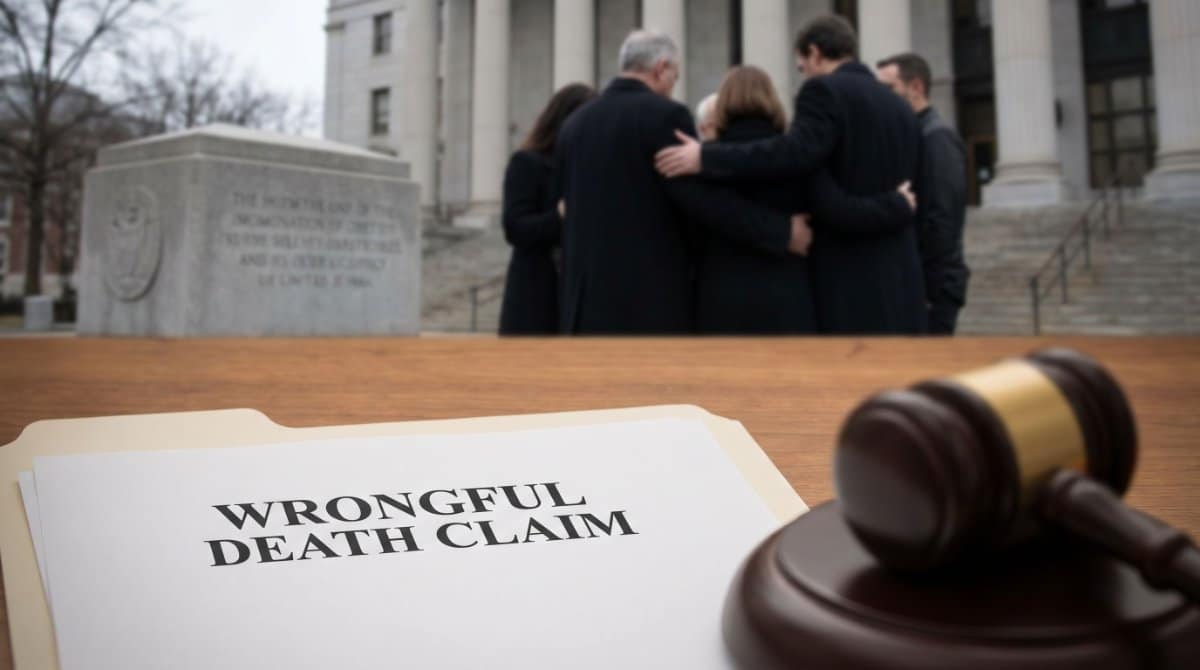 Losing a family member because of someone else’s conduct can leave a family facing grief and sudden financial strain. Under Illinois law, some families may recover damages when a wrongful act or failure to exercise reasonable care results in a death. An Illinois wrongful death lawyer can explain who may recover and which legal claims may apply.
A wrongful death case is a civil claim for damages. It may arise from a car crash or unsafe property. It may also arise from medical negligence or another event that would have allowed the deceased person to bring a personal injury claim if they had lived.
Who can file an Illinois wrongful death lawsuit?
The Illinois Wrongful Death Act requires the case to be brought by the deceased person’s personal representative. This person is often the executor named in a will or an administrator appointed by the probate court.
A surviving spouse or other relative does not automatically have the right to file in an individual capacity. That person may need to be appointed as the estate’s representative first.
Illinois also permits a court to appoint a special administrator in some cases when no estate has been opened, and the wrongful death claim is the estate’s only asset. This can allow the lawsuit to move forward without opening a full probate estate.
Who may receive compensation from the claim?
A wrongful death recovery is for the benefit of the surviving spouse and the deceased person’s next of kin. Illinois courts use the state’s intestacy rules to identify the next of kin.
Children are often beneficiaries. Parents may qualify when the person died without a surviving spouse or descendants. Brothers or sisters may qualify in some families. Their right to recover depends on the family relationships that existed at the time of death.
The recovery is not automatically divided equally. The court determines each beneficiary’s percentage of dependency on the deceased person and distributes the proceeds based on those percentages.
Can the family recover lost financial support?
The claim may include income the deceased person likely would have contributed to the family. Evidence may include the person’s earnings history and expected work life.
Lost support can include more than a paycheck. A person may have provided child care or household work. The value of those services may be considered even when the person did not earn income outside the home.
Employment benefits may also be relevant. These can include health coverage or retirement contributions. The calculation should account for the support the person probably would have provided over time.
Can relatives recover for grief and loss of society?
Illinois law allows damages for grief and sorrow. It also permits compensation for mental suffering.
Loss of society is another recognized part of a wrongful death claim. It refers to the loss of love and companionship. It can also include guidance or care that the deceased person provided.
The strength of the relationship can affect the value of this loss. Evidence may show how often relatives spoke with the person or spent time together. It may also show the role the person played in family life.
An Illinois wrongful death lawyer can help present these losses without reducing the person’s life to income records alone.
Are funeral expenses part of the lawsuit?
Funeral expenses are not usually damages paid to beneficiaries under the Wrongful Death Act itself. They may still be recoverable through a separate claim connected with the same lawsuit.
The estate’s executor or administrator may seek reasonable funeral and burial expenses paid by the estate. Depending on who incurred the costs, other Illinois law may provide another way to seek repayment.
Receipts and proof of payment should be kept. The person who paid each expense can affect how the claim should be presented.
What is the difference between wrongful death and a survival claim?
A wrongful death claim compensates eligible relatives for losses caused by the death. A survival claim concerns losses suffered by the deceased person before death.
The Illinois Survival Act allows certain personal injury claims to continue through the estate. Recoverable damages may include medical expenses or lost wages from the period before death. The estate may also seek damages for conscious pain and suffering when supported by the evidence.
The proceeds of a survival claim belong to the estate. They are distributed under the will or Illinois inheritance law after valid estate obligations are addressed. This differs from wrongful death proceeds, which are distributed to the spouse and next of kin based on dependency. Understanding the difference between wrongful death and personal injury lawsuits can help explain why a family may have both a wrongful death claim and a survival claim.
What happens when fault is disputed?
The personal representative must prove that the defendant’s conduct caused the death. The defendant may argue that someone else was responsible or that the deceased person contributed to the event.
Illinois follows modified comparative fault. If the deceased person was more than 50% responsible, recovery based on negligence is barred. If the person was 50% responsible or less, the damages are reduced by that percentage.
A beneficiary’s own conduct may also affect that beneficiary’s share in some cases. Illinois law allows the court to reduce the beneficiary’s recovery based on that person’s contribution to the death. A share can be barred when the beneficiary’s fault is more than 50%.
Video footage and witness accounts may help resolve the dispute. Medical records or vehicle data may also show how the death occurred.
How long do you have to file the lawsuit?
Most Illinois wrongful death lawsuits must be filed within two years after the date of death. Waiting until the end of that period can make the case harder because evidence may disappear and witnesses may become difficult to find.
Different deadlines can apply. Illinois allows more time for certain deaths caused by violent intentional conduct. A beneficiary who was under 18 when the claim accrued may also receive additional time.
Claims involving medical negligence or a government body can be controlled by other statutes. A survival claim may also have a deadline tied to the deceased person’s original claim. Families should not assume that every claim has the same two-year period.
When should you speak with a lawyer?
A family may need to open an estate and identify the proper representative. The investigation may also require records from several people or businesses. Starting early gives the legal team time to preserve evidence and determine which claims belong in the lawsuit.
Speak with an Illinois wrongful death lawyer about the filing deadline and the compensation your family may seek. Call Gainsberg Injury and Accident Lawyers or reach out online to discuss a death caused by negligence or other wrongful conduct.

Attorney Neal Gainsberg has spent the last 20+ years fighting to protect the rights of the injured in Chicago and throughout Illinois. For dedicated legal help with a personal injury, car accident, or wrongful death matter, contact Gainsberg Injury and Accident Lawyers in Chicago for a free consultation.