

How to Handle a Chicago Mass Transit Accident
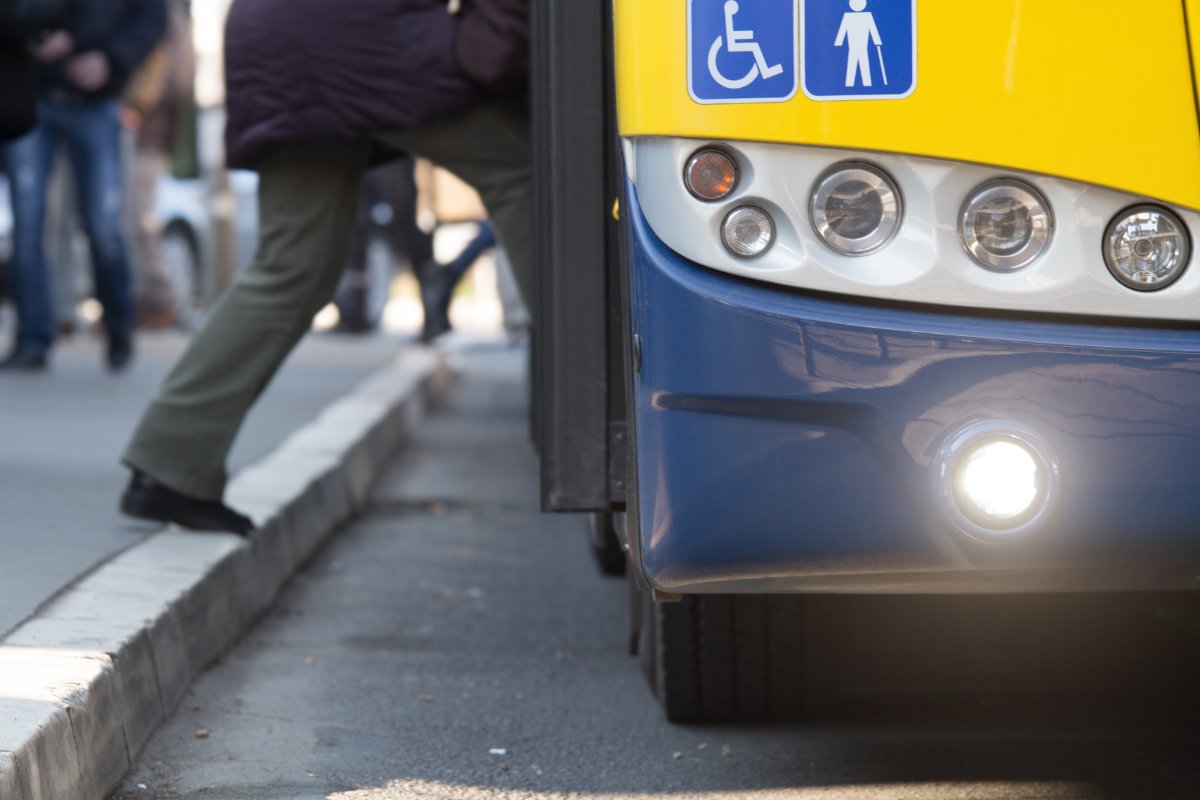 A crash or fall involving Chicago public transportation can cause serious injuries in seconds. You may be hurt on a CTA bus or train. You may also be injured while entering a vehicle or waiting on a platform. A Chicago bus and mass transit accident lawyer can help determine what happened and which transit agency or other party may be responsible.
Video may be overwritten. Operators may finish their shifts, and witnesses may be hard to find. Taking the right steps early can protect your health and your ability to seek compensation.
What should you do first after a transit accident?
Get medical help as soon as you can. Call 911 if the injury is serious or you cannot safely leave the scene. Even when the pain seems mild, a sudden stop or hard fall may cause an injury that becomes clearer later.
Report the incident to the driver or another transit employee. Ask that a written report be created. Give a clear description of what happened, but do not guess about details you did not see.
Take photos if you can do so safely. Photograph the step or door involved. For a platform injury, photograph the surface and any warning signs.
How can a bus crash cause a passenger injury?
Accidents involving CTA buses may be caused by the operator, another driver, or a mechanical problem. A passenger can be injured when a bus collides with another vehicle or strikes a fixed object. Another driver may have caused the crash. A maintenance contractor or vehicle manufacturer may also be responsible in some cases.
A police report may identify the vehicles involved, but it may not tell the full story. Bus cameras and event data may show the driver’s actions. Maintenance records may reveal a brake or steering problem.
Can you bring a claim after a sudden stop?
A sudden stop can throw a standing passenger to the floor or into a seat. It can also injure someone who is walking toward the door.
Not every sudden stop proves that the operator was careless. City buses must sometimes stop quickly because of traffic or a pedestrian. A claim is stronger when evidence shows that the movement was unusually violent or caused by unsafe driving.
Other passengers may be able to describe the force of the stop or explain what the driver was doing. Video may show whether several riders were thrown forward at the same time.
What if you were injured while boarding or exiting?
Illinois common carriers generally owe passengers the highest degree of care consistent with practical operation while transporting them. That duty includes giving passengers a reasonable chance to board and leave safely.
A claim may arise when a bus pulls away before boarding is complete. A rider may also be injured when a driver closes the door too soon or stops too far from the curb.
Exiting injuries can involve “minding the gap” or an unsafe landing area. An operator who sees that a passenger needs extra time may need to allow a safe chance to exit.
Who may be responsible for a train-platform injury?
A platform case may involve a fall or contact with a moving train. A person may be hurt by a damaged surface or poor lighting. Other incidents involve doors closing too soon or a dangerous gap beside the train.
Responsibility depends on who controlled the area and what caused the injury. The transit agency may be involved. A private contractor may also have maintained part of the station.
These cases can raise questions about whether the injured person had become a passenger under Illinois law. The answer may affect the duty owed by the transit provider.
What information should you collect about the operator?
Write down the route and direction of travel. Record the bus number if one is visible. For a train incident, note the line and station. The exact time can help the agency identify the operator and vehicle.
Ask for the operator’s name or employee number, but do not argue if the operator refuses. The agency should have records showing who was assigned to the route.
A Chicago bus and mass transit accident lawyer can request operator schedules and incident reports. The lawyer may also seek training files when they are relevant and legally available.
Why should you speak with witnesses?
A transit agency may claim the bus stopped normally or that the passenger lost balance without any unsafe movement. Independent witnesses can help answer those claims.
Ask anyone who saw the event for their name and phone number. A witness may leave at the next stop and become difficult to locate. Other passengers may also have recorded the incident.
How can surveillance footage help your claim?
CTA buses and stations may have cameras. Trains may also contain video systems. Nearby businesses or traffic cameras may capture part of the event.
Footage can show how a passenger fell or when a door closed. It may reveal the condition of a platform. Video can also confirm the time and location.
The footage may not be stored forever. A prompt preservation request can tell the agency or business not to erase relevant recordings.
Why are claims against transit agencies more complicated?
CTA and other public transit providers are government-related entities. Illinois law may give them defenses that do not apply to a private company. Special filing deadlines may also apply.
A personal injury lawsuit against CTA generally must be filed within one year after the cause of action accrues. Other public entities may also be protected by a one-year deadline under Illinois law. A private company involved in the same accident may have a different deadline.
The correct defendant must be identified before time runs out. Waiting can also make it harder to obtain video or operating records.
What evidence should be preserved promptly?
The transit agency may hold video and operator logs. It may also have vehicle inspection records or internal reports. A preservation letter can request that these materials remain available.
Keep medical records and receipts. Damaged clothing or personal items may also help show the force of the event.
Do not post detailed statements about the accident on social media. An insurer or defense lawyer may compare those posts with later testimony.
How can Gainsberg Injury and Accident Lawyers help?
A transit injury claim may involve a bus operator or another driver. It may also involve a public agency or private contractor. Gainsberg Injury and Accident Lawyers can investigate the accident and identify the available claims.
Speak with a Chicago bus and mass transit accident lawyer before evidence disappears or a special deadline expires. Contact Gainsberg Injury and Accident Lawyers or fill out the online form to discuss your injury and legal options.

Attorney Neal Gainsberg has spent the last 20+ years fighting to protect the rights of the injured in Chicago and throughout Illinois. For dedicated legal help with a personal injury, car accident, or wrongful death matter, contact Gainsberg Injury and Accident Lawyers in Chicago for a free consultation.