

Where Do the Most Serious Motorcycle Accidents Happen in Chicago?
 In Chicago, the most serious motorcycle accidents often occur where speeds are highest: on Lake Shore Drive and on expressways, especially the Kennedy and Dan Ryan. The risks of fatalities and serious injuries are higher there. However, riders on lower-speed city roads are still at risk of death and catastrophic injuries. Motorcycle accidents are more frequent, if generally a bit less serious, in places such as Western, Cicero, and Ashland avenues, and in intersections with many turning vehicles and heavy traffic.
Where in Chicago are motorcycle crashes most likely to be fatal?
In Cook County, county data indicate that about 6.1% of fatal and serious injury crashes involve at least one motorcyclist. Many times, crashes are not the motorcyclist’s fault. Liability often falls onto the truckers and motorists who speed, don’t see motorcycles, or ignore traffic safety rules.
Speed, since it increases impact force, is a strong predictor of fatal and serious injury crash outcomes. This partly explains why motorcycle fatalities are more likely on Lake Shore Drive, I-90, I-94, and the outer segments of arterial roads with higher speeds.
Western, Cicero, Ashland, and North avenues, along with 79th Street, are also common motorcycle injury hotspots. Crashes on these roads occur more frequently than on expressways, although survival rates are generally higher because speeds are often lower.
Expressways
Many dangerous accidents occur on expressways. Motorcycles have to ride through congestion, merge, negotiate curves, and change lanes. Meanwhile, most other vehicles are going even faster and are much heavier. Riders can be crushed under trucks or cars, suffer spinal cord damage, and endure internal bleeding.
High-risk arterial roads
Western, Cicero, and Ashland avenues often appear in Chicago’s general crash data patterns. This is because of their heavy traffic volume, high number of stoplights and intersections, the constant turns and lane changes, and the speed changes in between lights.
North Avenue and 79th Street also pose significant risks for motorcyclists due to their mix of commercial traffic, bus routes, aggressive driving, and even pedestrians. Motorcyclists here must contend with high levels of unpredictability.
On high-risk roads, such as these, vehicles stop and accelerate suddenly. Dangerous traffic gaps open up and sometimes result in high-impact collisions. Motorcyclists’ visibility is an issue in these busy environments, too. If danger arises, the narrow lanes, parked cars, and limited shoulders surrounding a rider increase the risks.
As always, speed can significantly alter the dynamics of a motorcycle crash. Take a collision on Cicero Avenue. Drivers often go 5 to 15 mph above posted limits, meaning that a car traveling as fast as 50 mph could crush a motorcyclist. These higher speeds might mean death or permanent disability for the rider.
Dangerous intersections
The Federal Highway Administration points out that about 25% of traffic fatalities and half of traffic injuries occur at intersections. In Chicago, this means high numbers of car accidents and motorcycle crashes can occur at intersections such as these:
- Cicero and Chicago avenues (high speeds, turning traffic)
- Western and North avenues (congestion, multiple turn lanes)
- Ashland Avenue and 79th Street (bus traffic, commercial density)
Unfortunately, all a motorcyclist has to do to risk serious injury is simply go straight ahead, according to Illinois Department of Transportation data from 2024. At intersections, cars turning left don’t necessarily see motorcycles and may hit them.
Riders are vulnerable for many other reasons, too. Motorists misjudge motorcyclists’ speed, and everyone on the road must contend with distracted drivers, multiple traffic signals, and confusing turning lanes.
What can motorcyclists do to protect themselves?
Motorcycle crashes in Chicago can happen year-round, but risks often increase during warmer months when more riders are on the road and traffic volumes rise. Construction zones, summer tourism, festivals, and large events can also create unpredictable traffic patterns that increase the likelihood of serious motorcycle collisions.
Riders can adjust their approach in higher-risk areas, although there is no controlling other drivers. Watch for left-turning vehicles, increase the distance at which you follow other vehicles, slow down in major thoroughfares, and make yourself as visible as possible. For example, ride where drivers can see you in their mirrors. You risk disappearing if you ride right behind a vehicle. Wear bright colors, reflective strips, and other high-visibility gear.
If you’re injured in a crash, any proactive safety measures can help your claim. Insurance companies and negligent drivers may try to argue you’re partly at fault because you were, say, speeding or not visible.
Reach out to Gainsberg Injury and Accident Lawyers
After a motorcycle accident, you may deal with severe injuries, massive medical bills, lost income, and the loss of your life as you knew it. Exploring legal options can help you get compensation. Contact us today to discuss your case.
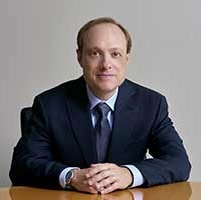
Attorney Neal Gainsberg has spent the last 20+ years fighting to protect the rights of the injured in Chicago and throughout Illinois. For dedicated legal help with a personal injury, car accident, or wrongful death matter, contact Gainsberg Injury and Accident Lawyers in Chicago for a free consultation.