

Why Are Motorcycle Accidents on Lake Shore Drive So Dangerous?
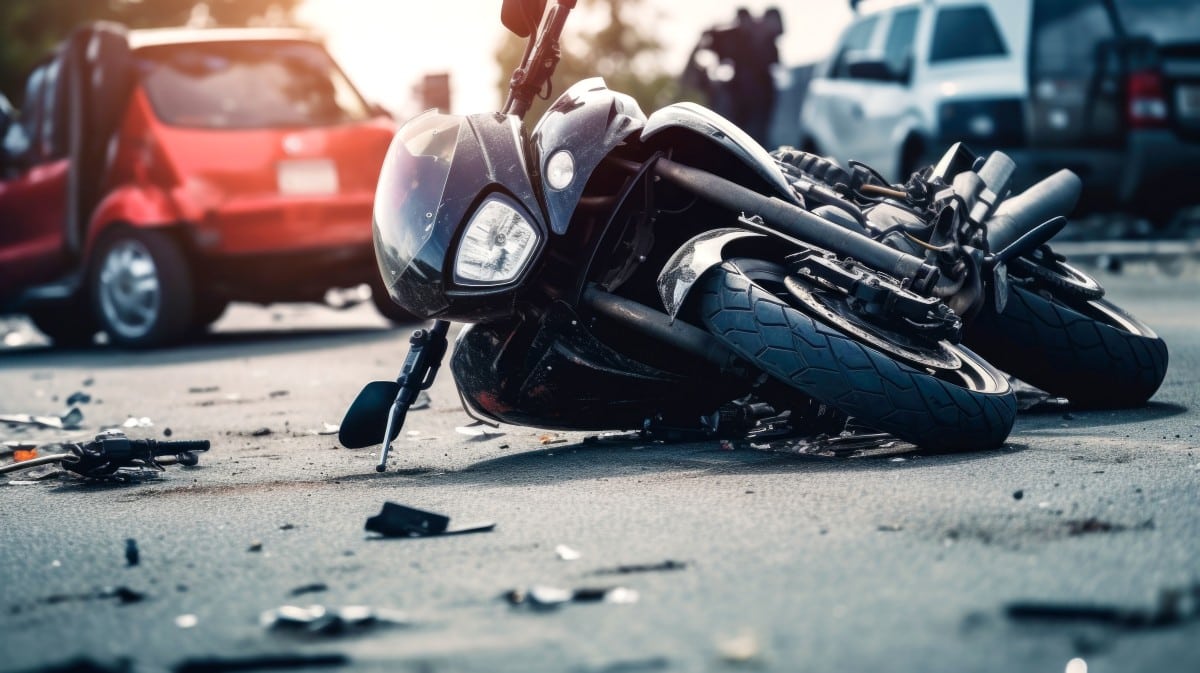 Lake Shore Drive is a dangerous road for motorcycle riders. Drivers are easily distracted by the beautiful scenery. The traffic is often heavy. There are numerous curves. Many car and truck drivers fail to see or respect motorcycle riders.
At Gainsberg Injury and Accident Lawyers, our Chicago motorcycle accident lawyers hold everyone who causes a motorcycle accident liable for the financial and personal damages they cause. Our Chicago Lake Shore Drive motorcycle accident lawyers file personal injury and wrongful death claims. Call us today to discuss your right to compensation.
Where is Lake Shore Drive?
Lake Shore Drive (also known as DuSable Lake Shore Drive or the Outer Drive) is a 17-mile route that runs along the Lake Michigan shoreline in Chicago. It connects the north and south parts of Chicago. The road (part of US Highway 41) provides beautiful views of Lake Michigan, parks, and the skyline of Chicago. Lake Shore Drive runs along the Lakefront Trail, commonly used by pedestrians and bicycle riders.
Chicago renamed Lake Shore Drive Jean Baptiste Pointe du Sable Lake Shore Drive.
Why do motorcycle riders enjoy driving on Lake Shore Drive?
Motorcycle riders can generally use Lake Shore Drive for travel. The road has a lot of dense urban traffic. Some events temporarily close Lake Shore Drive to motor vehicles, such as Bike the Drive, a bicycle-only event.
Some of the many attractions for motorcycle riders, local residents, and tourists are the following:
- Grant Park
- Millennium Park
- Maggie Daley Park
- Lincoln Park
- Soldier Field
- McCormick Place
- Buckingham Fountain
- Museum Campus
There are many residences, commercial developments, and other attractions along Lake Shore Drive.
The speed limit for drivers on Lake Shore Drive is generally 40 mph. The road has overpasses and infrastructure to accommodate pedestrians, heavy traffic, and recreational uses.
Why is Lake Shore Drive dangerous for motorcycle riders?
At Gainsberg Injury and Accident Lawyers, our Chicago motorcycle accident lawyers understand why motorcycle crashes are common and why the people who cause accidents should be held accountable.
According to the National Highway Traffic Safety Administration (NHTSA), in 2023, 6,335 motorcyclists were killed in traffic crashes, accounting for 15 percent of all traffic deaths. When larger vehicles collide with motorcycles, the bike riders are likely to absorb the bulk of the impact. Riders will likely fall and slide along the hard asphalt.
Some of the reasons Lake Shore Drive is dangerous include the following:
- Speeding. While the posted speed limits are generally 40 mph, many drivers exceed the speed limit, which increases the risk of an accident and causes more forceful accidents.
- Curved roads. Motorcycle riders need to understand how to navigate curves, especially when roads are slick. Car and truck drivers need to appreciate that motorcycle riders need extra space to turn safely. There are many tight curves along Lake Shore Drive.
- A lack of shoulders. Large parts of Lake Shore Drive don’t have shoulders, which give all drivers (car, truck, and motorcycle) little room for error if there’s an emergency.
- The failure of drivers of large vehicles to respect or see motorcycles. Car and truck drivers often fail to see motorcycles that are nearby, especially in their blind spots. Drivers of large vehicles have a duty to respect the rights of motorcyclists who use Lake Shore Drive.
- Driver distraction. The beauty of Lake Shore Drive can cause drivers to focus on the scenery instead of traffic. Other types of driver distraction include texting, talking on a mobile phone, using a GPS, eating, and drinking.
- Weather conditions. Riding a motorcycle when it’s cold, raining, snowing, or the roads are slick is especially dangerous.
- Poor roads and roadkill. Any part of Lake Shore Drive that is uneven, has potholes, or has roadkill or debris makes riding a motorcycle more difficult.
- Lack of education. Motorcycle riders should take approved motorcycle education courses to ensure they understand how to inspect their bike and how to ride by themselves and in groups with other riders.
- Left turns. Left turns are permitted only at designated intersections and access points along portions of Lake Shore Drive. Left turns are especially dangerous for motorcycle riders because other drivers often fail to see the motorcycle or cut in front of the motorcycle.
- Other causes. When traffic is heavy along Lake Shore Drive, other drivers can move into other lanes of travel to try to move faster, without looking to see if a motorcycle is nearby. Drunk driving is always dangerous for all drivers, including motorcyclists. Drivers of parked cars (where permitted) need to check for motorcycles so they don’t cause a dooring accident.
What steps can motorcycle riders take to protect themselves from accidents?
Common motorcycle safety precautions include:
- Wearing protective gear – helmets, gloves, jackets, boots, and high-visibility clothing for riding when it’s dark
- Conducting a T-CLOCS (Tires, Controls, Lights, Oil, Chassis, Stands) inspection before riding.
- Keeping a safe following distance
- Avoiding blind spots
- Assuming that cars at intersections will turn left in front of you
- Understanding what part of the lane is best for traffic, weather, and road conditions
- Using hand signals and understanding their meaning when riding in groups
- Planning your route
What steps should car and truck drivers take to prevent motorcycle accidents on Lake Shore Drive?
Common precautions for larger vehicles include:
- Car and truck drivers should share the road, but not lanes
- Check blind spots for motorcycles
- Be extra-cautious when turning left
- Respect the rights of motorcycle riders
- Be alert to the dangers motorcycle riders may experience
What Illinois laws govern motorcycle riding in Chicago?
Accidents along Chicago’s Lake Shore Drive can be dangerous if motorcycle operators fail to follow the motorcycle laws of Illinois. These laws include the following:
- Proper equipment. Motorcycles need to have proper headlights, mirrors, handlebars, and other equipment.
- Passengers. The operator and every passenger must use glasses, goggles, or a qualifying transparent shield for protection.
- Helmet use. Riders and passengers do not need to wear a helmet, though a helmet could protect them from death, traumatic brain injuries, and other injuries.
- Lane splitting. Lane splitting is illegal in Illinois.
Motorcycles operated in Illinois must be covered by minimum liability insurance of $25,000/$50,000/$20,000, along with the required uninsured motorist coverage.
Operators generally need a Class M license for motorcycles of 150cc or greater and a Class L license for motor-driven cycles under 150cc.
Contact our Chicago Lake Shore Drive motorcycle accident lawyers now
At Gainsberg Injury and Accident Lawyers, we understand how catastrophic motorcycle accidents can be. Victims may suffer head trauma, spinal cord injuries, broken bones, road rash, and other serious injuries. Our team can fight for the compensation you deserve for your medical bills, lost income, pain and suffering, property damage, and other damages.
Call us or use our contact form to schedule a free consultation. We handle motorcycle accidents on a contingency fee basis.

Attorney Neal Gainsberg has spent the last 20+ years fighting to protect the rights of the injured in Chicago and throughout Illinois. For dedicated legal help with a personal injury, car accident, or wrongful death matter, contact Gainsberg Injury and Accident Lawyers in Chicago for a free consultation.