

Hit by a Car While Walking in Chicago? Your Rights as an Injured Pedestrian
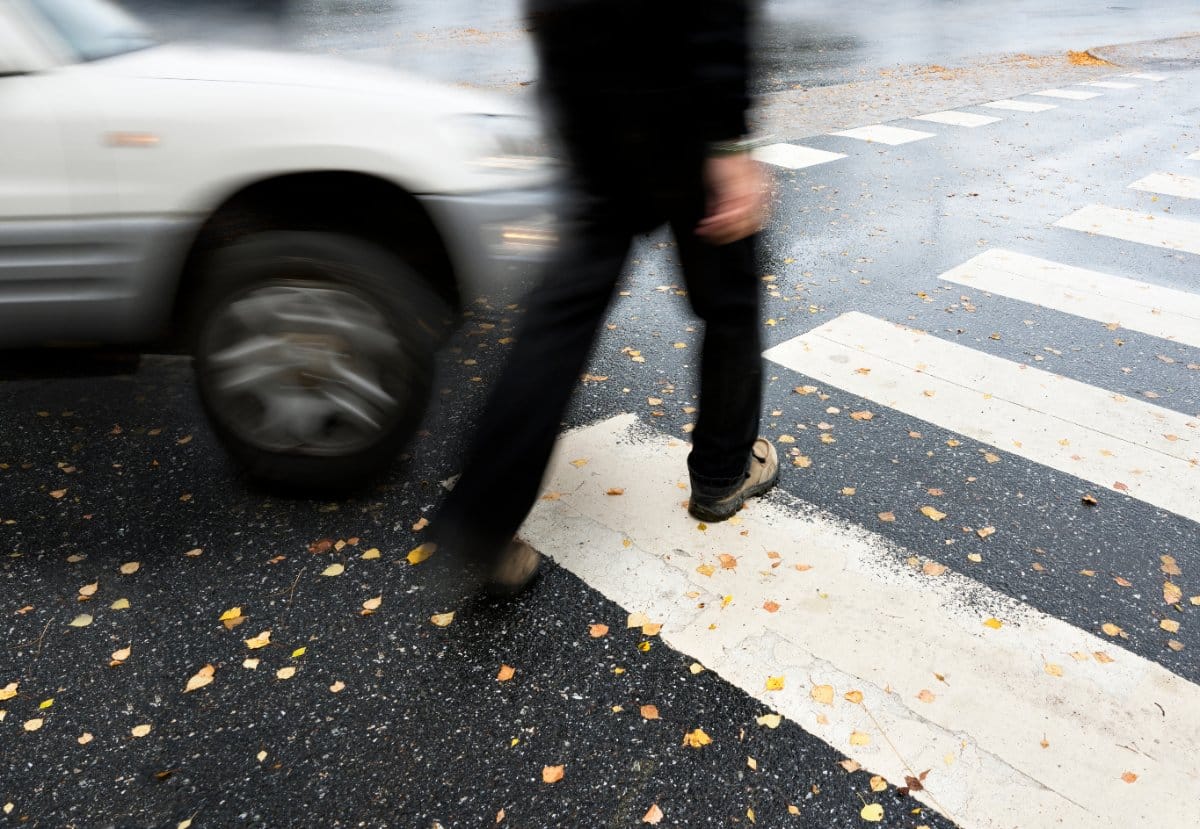 A person walking through Chicago has little protection from a moving vehicle. Even a low-speed impact can cause broken bones or a head injury. A Chicago pedestrian accident lawyer can investigate who caused the crash and identify every source of insurance that may cover the loss.
Drivers may claim the pedestrian crossed against the light or stepped into traffic. The vehicle may have been used for delivery or rideshare work. The driver may also leave before anyone gets insurance information.
When does a pedestrian have the right-of-way?
Illinois law gives pedestrians the right-of-way in many crosswalk situations. When traffic signals are absent or not working, a driver must stop and yield to a pedestrian in the driver’s half of the road. The driver must also yield when a pedestrian coming from the other half is close enough to be in danger.
A crosswalk does not always need painted lines. An unmarked crosswalk may exist at an intersection.
Pedestrians must follow traffic signals. They also can’t suddenly step off a curb and enter the pathway of a vehicle that doesn’t have time to stop safely. A pedestrian crossing outside a marked or unmarked crosswalk usually must yield to vehicles.
Drivers still must use due care to avoid hitting a pedestrian. They must also use proper caution when they see a child.
What happens when the driver disputes the right-of-way?
Right-of-way disputes often depend on the walk signal and the pedestrian’s location. The vehicle’s speed may show whether the driver had time to stop.
A police report may rely on the driver’s account if the pedestrian was taken to a hospital. Witness statements can fill gaps. Photos may show blocked signs or poor sight lines. Traffic signal records may show how the intersection was operating.
Physical evidence can provide a clearer account than conflicting memories.
Can a pedestrian recover if they were partly at fault?
Illinois uses modified comparative negligence. An injured pedestrian can obtain damages if their share of fault is 50% or less. The award is reduced by the percentage assigned to the pedestrian.
For example, a person with $100,000 in damages who is found 20% at fault may recover $80,000. If the pedestrian is found more than 50% at fault, recovery is barred.
Insurance companies may argue that the pedestrian was distracted or crossed too slowly. Video and witness accounts can test those claims. Evidence may also show that the driver was speeding or failed to keep a proper lookout.
What insurance may cover a pedestrian crash?
The at-fault driver’s liability insurance is usually the first source of payment. It may cover medical costs and lost income. It may also cover pain or permanent disability.
Serious injuries can exceed the driver’s limits. The driver may also have no insurance. An injured person may then have a claim under uninsured or underinsured motorist coverage from their own auto policy or a household policy. Coverage depends on the policy language and the person’s status as an insured.
A Chicago pedestrian accident lawyer can review all possible policies. This is especially important after a hit-and-run because uninsured motorist coverage may apply even though the pedestrian was not inside a vehicle.
What changes when the vehicle was used for rideshare or delivery work?
Rideshare accidents involving pedestrians can involve more than the driver’s personal policy. The driver’s app status can affect which insurance applies. For rideshare drivers, Illinois law requires coverage while the app is on. It requires $1 million in primary liability coverage after the driver accepts a ride request and until the driver completes the transaction or the ride is complete, whichever is later.
Delivery cases can be different. The company may provide commercial coverage, or it may argue that the driver was an independent contractor. App records can show whether the driver was handling an order.
A claim should identify the personal policy and any company-backed policy before settlement talks begin.
What should you do after a hit-and-run?
Call 911 and get medical care. Give the police every detail you remember about the vehicle. A partial plate number may help. So may the vehicle’s color or direction of travel.
Ask witnesses for contact information. Nearby homes or businesses may have cameras. A passing bus or another vehicle may also have recorded the crash.
The failure to identify the driver does not always end the claim. Uninsured motorist coverage may treat a hit-and-run vehicle as uninsured. The policy may include notice duties, so the insurer should be told promptly.
Why is camera footage so important?
Video can show the signal and the point of impact. It may show the driver’s speed or a turn made without yielding. It can also reveal whether the driver stopped.
Footage may come from traffic cameras or nearby security systems. Doorbell cameras and dashcams can also help. Some recordings are erased or recorded over quickly.
A legal team can send preservation requests. Acting early improves the chance of obtaining footage before it disappears.
What compensation may be available for catastrophic injuries?
Pedestrian crashes can cause brain injuries or spinal cord damage. They can also cause amputations or severe fractures. A catastrophic injury claim must address current losses and future needs.
Damages may include hospital bills and rehabilitation costs. They may include lost wages and reduced earning ability. A claim can also seek payment for physical pain or emotional suffering. Permanent disability or disfigurement may increase the value of the claim.
The full cost of future care should be understood before the injured person accepts a release.
How are pedestrian claims involving children different?
Drivers must use proper caution when they see a child. Children may move in ways an adult would not. A driver near a school or playground should be ready for that risk.
Illinois does not always judge a child’s conduct by the same standard used for an adult. The child’s age and experience may affect the fault analysis.
A parent or guardian can bring a claim for an injured child. Illinois gives minors additional time for many personal injury claims, but related claims may have different deadlines. Families should not assume they can safely wait.
How can Gainsberg Injury and Accident Lawyers help after a pedestrian crash?
A pedestrian injury claim may involve disputed signals or missing video. It may also involve several insurers. Gainsberg Injury and Accident Lawyers can investigate the crash and preserve evidence. The firm can also pursue compensation for the harm caused.
Speak with a Chicago pedestrian accident lawyer before giving a recorded statement or accepting a settlement. Call Gainsberg Injury and Accident Lawyers or fill out the online contact form to discuss your rights after a pedestrian crash in Chicago.

Attorney Neal Gainsberg has spent the last 20+ years fighting to protect the rights of the injured in Chicago and throughout Illinois. For dedicated legal help with a personal injury, car accident, or wrongful death matter, contact Gainsberg Injury and Accident Lawyers in Chicago for a free consultation.