

Are Rideshare Accidents in Chicago More Likely to Cause Serious Injuries?
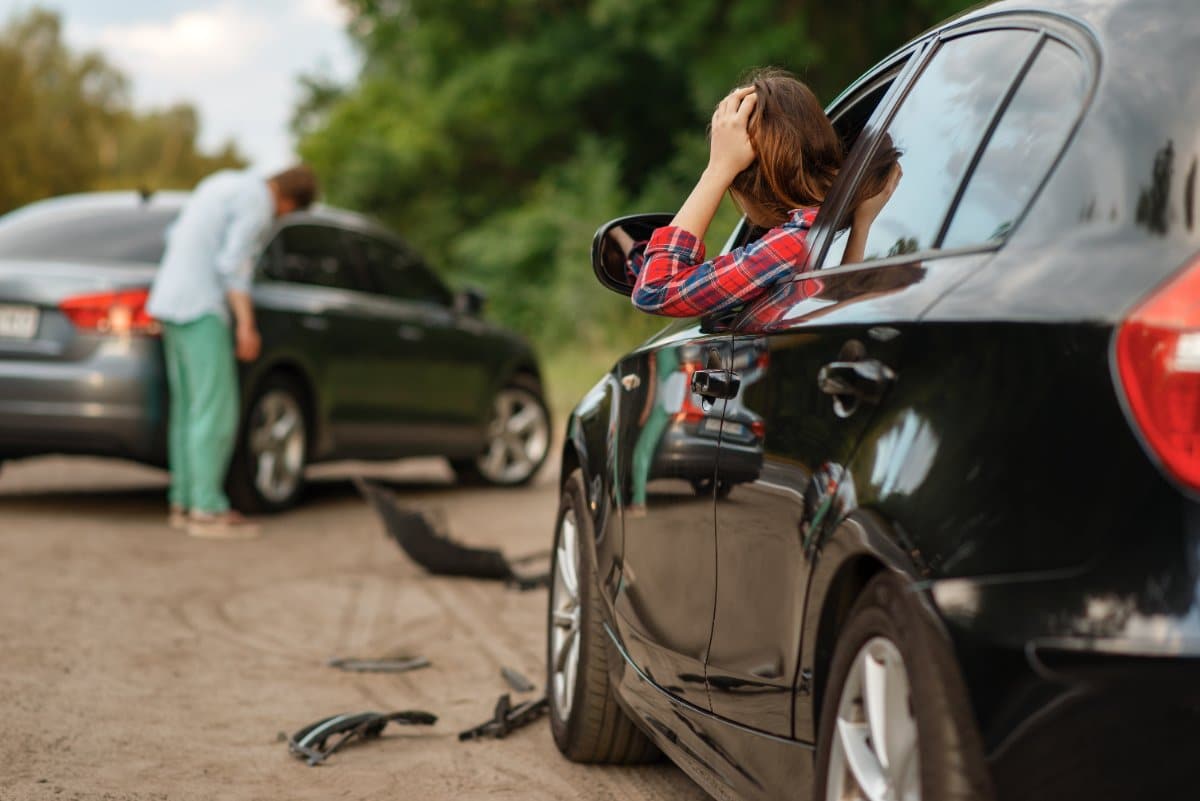 Serious injuries can occur in Chicago rideshare accidents, but no available research clearly shows they are more likely than in regular car accidents. What is clear is that Uber and Lyft drivers spend long hours navigating some of the busiest parts of the city, from O’Hare and downtown to Wrigley Field and Lake Shore Drive. They may deal with heavy traffic, bad weather, distracted passengers, constant app notifications, and pressure to make pickups and drop-offs quickly.
When a crash happens, the injuries can be severe, and the insurance situation can be more complicated than a typical car accident. A Chicago Uber accident lawyer can help you determine liability and explore options for compensation.
What types of catastrophic injuries could occur in Chicago rideshare accidents?
The following types of catastrophic injuries can happen in a Chicago rideshare crash.
- Traumatic brain injuries could occur if an Uber driver drops off a passenger in a bike lane and a bicyclist or car hits the passenger. There’s a reason Chicago frowns on this type of dropoff. TBIs also occur in a wide range of crashes if a person’s head moves or rotates suddenly or hits a window, door, or another passenger.
- Spinal cord injuries/paralysis could result after higher-speed accidents on the Dan Ryan and other roads with speeds higher than the 30 mph standard in Chicago.
- Neck and back injuries may result because a Lyft driver stayed on his phone a few seconds too long, causing chronic pain issues, limited mobility, and multiple surgeries.
Other catastrophic injury examples include multiple fractures, internal organ damage, crush injuries, burns, and disfigurement.
Who is liable for Chicago rideshare injuries?
Researchers at the University of Illinois Chicago found that about a third of surveyed rideshare drivers reported having been involved in a crash while on the job. Often, rideshare drivers are liable, but other parties may be, too. Liability comes down to who caused the crash and what the driver was doing at the time of the accident.
For example, another driver could be responsible (or share responsibility with the rideshare driver). The other driver could rear-end the Uber or Lyft, drive under the influence, or run a stop sign, to name some possibilities. In these situations, the other driver’s insurance company might be a significant source of compensation.
However, a rideshare company could be liable in situations involving:
- Neglecting proper driver screening
- Ignoring warnings of dangerous drivers
- Designing the rideshare app so that it contributes to distracted or dangerous driving
- Encouraging unsafe pickup or dropoff behaviors
A Chicago Uber accident lawyer can investigate your situation to determine liable parties.
While rideshare drivers generally are independent contractors, rideshare insurance may still provide compensation depending on the driver’s status at the time of the crash.
- Driver accepted a ride or is transporting a passenger: Uber or Lyft’s insurance policy may provide coverage. Illinois requires at least $1 million in primary automobile liability coverage from the time a driver accepts a ride until the ride is complete. The state of Illinois also requires uninsured/underinsured motorist coverage for passengers in the vehicle.
- Driver completely offline: The driver’s personal insurance typically is the one providing compensation.
For situations in between these two, Uber or Lyft’s insurance policies may provide some coverage, as may Illinois required minimums. For instance, when a driver is available for rides but does not have a trip, some limited commercial coverage may be available.
Chicago requires rideshare drivers to meet certain standards and safety requirements. The city notes that 72% of crashes with fatalities involve factors such as speed, failure to give the right of way, cellphone use, DUI, and disobeying traffic signals. Rideshare drivers also should avoid unsafe pickup and dropoff. For instance, rideshare drivers shouldn’t drop passengers off in a bike lane and should pull as closely to the curb as safely and as legally possible when picking up or dropping off passengers.
Why rideshare accidents can result in severe injuries
Uber and Lyft drivers move through the streets of Chicago every day, every hour, and in any type of traffic and weather. Often, they drive in conditions that passengers themselves would rather not. Rideshare drivers deal with these:
- Frequent stops and sudden lane changes
- Rideshare app and passenger distractions
- Congested traffic
- Unfamiliar areas around Chicago
- Nighttime driving and bad-weather driving
- Longer driving hours and the attendant risks of fatigue
The days truly can be long for a rideshare driver. By the time an Uber picks a passenger up in the afternoon, the driver may have already been to O’Hare three times, a Cubs game at Wrigley once, downtown five times, and various homes in different neighborhoods too many times to remember. Just one moment of distraction, especially on busy roads with higher speeds, including Lake Shore Drive, the Dan Ryan Expressway, and the Kennedy Expressway, can lead to an accident with serious injuries.
Contact a Chicago Uber accident lawyer today
Rideshare accidents in Chicago can result in catastrophic injuries and significant financial bills. It’s a lot to handle alone. The rideshare accident lawyers at Gainsberg Injury and Accident Lawyers can help you determine liability and options for compensation. Get in touch with us to discuss your situation.

Attorney Neal Gainsberg has spent the last 20+ years fighting to protect the rights of the injured in Chicago and throughout Illinois. For dedicated legal help with a personal injury, car accident, or wrongful death matter, contact Gainsberg Injury and Accident Lawyers in Chicago for a free consultation.