

Paralysis After a Truck Accident: What a Lifetime Injury Claim is Really Worth
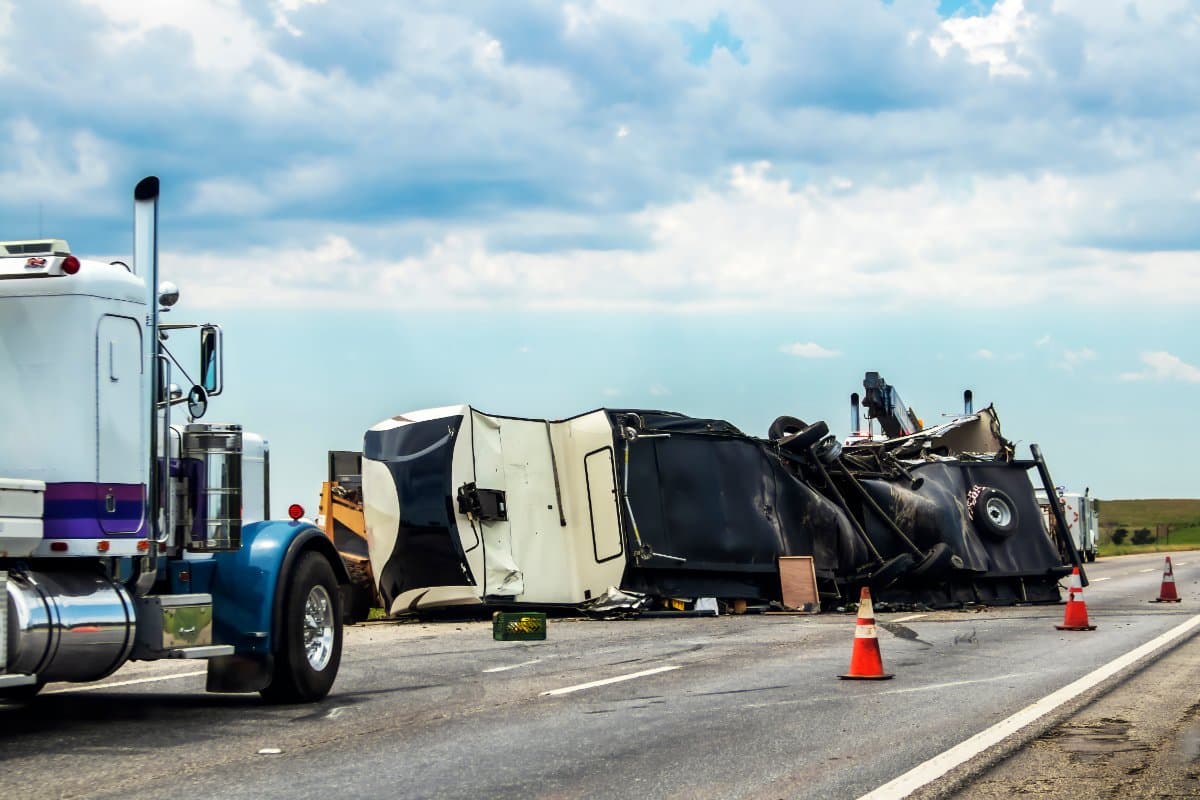 In 2025, the Federal Motor Carrier Safety Administration reported more than 4,800 accidents involving large trucks in Illinois. These crashes resulted in thousands of injuries, and some even proved fatal. Because of the massive scale of commercial vehicles like trucks and tractor-trailers, even a seemingly minor crash can result in catastrophic injuries and other significant losses.
In some extreme cases, survivors of these accidents suffer injuries that leave them permanently paralyzed after a crash and subsequently in need of lifelong supportive care. Here’s a quick breakdown of some of the lifetime costs associated with paralysis and an explanation of how an experienced truck accident lawyer can help survivors of these catastrophic injuries fight for fair compensation under the law.
How does paralysis happen?
When a person becomes paralyzed, they are generally unable to perform voluntary movements using certain muscles or muscle groups. The nervous system is responsible for these kinds of functions, so any damage to the spinal cord or certain other nerves can result in localized or more widespread paralysis.
According to the Cleveland Clinic, some of the most common causes of paralysis are:
- Birth defects
- Auto-immune diseases
- Neurological diseases
- Traumatic brain injuries
- Spinal cord injuries
Each of these conditions can significantly impact the nervous system and result in a loss of control over the hands, feet, arms, legs, and even vocal cords – depending on the location and severity of the injury.
Traumatic brain injuries (TBIs) and spinal cord injuries are not uncommon in truck accident scenarios. Sometimes, these injuries are relatively minor, and their effects are temporary. Other times, the damage sustained in a truck accident is enough to lead to permanent paralysis and major changes in motor function.
How truck accidents cause paralysis
Some common truck accident injuries can put survivors at an increased risk of paralysis. When a TBI or spinal cord injury does significant damage to a survivor’s nervous system, they may find themselves unable to perform voluntary muscle movements in small or large areas of the body.
In truck accidents, this kind of nervous system trauma may be the result of:
- Direct blunt force injuries like blows to the head
- Crushed or compressed spinal vertebrae
- Violent forward or backward movement during impact causes trauma to the head and/or neck
- Rollovers or underride accidents that compress or crush parts of the spine
Remember, commercial vehicles weigh significantly more than your standard passenger vehicle, so collisions and rollovers involving these vehicles can do more severe, widespread damage than smaller-scale accidents. This is precisely why truck drivers and motor carriers are held to such high safety standards by federal and local regulatory bodies – when risk is high, so is the need for harm reduction practices.
The lifetime cost of paralysis
Accident survivors may experience paralysis differently depending on the severity and location of their injury, and the costs associated with these injuries fluctuate accordingly. However, even acute or localized paralysis can impact a survivor’s quality of life and prevent them from easily returning to their pre-accident routine.
In more severe cases of generalized paralysis, the costs associated with these injuries can be extensive and compound significantly over time. Some of the costs associated with these injuries include:
- Emergency medical treatment/hospitalization
- Surgery costs
- Physical or occupational therapy
- Long-term rehabilitation or placement in a care facility
- Wheelchairs or other mobility aids/equipment
- Home accessibility modifications like wheelchair ramps
- In-home nursing care
- Lost wages
- Long-term disability/reduced lifetime earning potential.
- Mental health treatment
The Christopher & Dana Reeve Foundation – an organization that specifically advocates for individuals impacted by paralysis – has conducted research to estimate the approximate lifetime costs of different kinds of paralysis. According to this data, the approximate lifetime cost of a partial paralysis injury sustained at age 25 will exceed $2.3 million, and the cost for a patient with tetraplegia will exceed $4.7 million.
These estimates don’t even include certain indirect costs like lost wages or reduced productivity, so the full value of a paralysis injury may exceed these estimates by a significant margin, in some cases. An experienced truck accident lawyer can help you calculate the full value of your paralysis-related losses to ensure you are fighting for the amount of compensation you actually need to account for the direct and indirect costs of your injury.
Am I eligible for compensation?
If you were paralyzed in a truck accident, you may have questions about whether you can pursue compensation from the party that caused your injuries. There aren’t exactly one-size-fits-all answers to these questions, but – generally speaking – you may be entitled to compensation if you can show that another party caused your paralysis by violating their legal duty of care.
More plainly: if a truck driver (or some other party) caused the accident that injured you by failing to follow traffic laws, violating safety regulations, or otherwise disregarding your welfare, you may be entitled to compensation under Illinois law. Your truck accident lawyer can help you determine whether the other party involved in your case violated their legal duty of care and can work with you to gather the documentation, physical evidence, and expert testimony you may need to help you build a case.
An important reminder here is that Illinois follows a modified comparative negligence system when determining liability in truck accident cases. Under this system, you are only considered legally eligible for compensation if you were not more than 50% responsible for causing your own accident. If, however, you are found 30% responsible for your own injuries, you may still be entitled to compensation, but your final damages will be reduced by 30% as well. Your lawyer can help you understand the nuances of this system and work with you to fight back against unjust claims of comparative negligence that would otherwise limit your recovery options.
Final thoughts
A paralysis injury can fundamentally alter nearly every aspect of a survivor’s life. Between the physical, emotional, and financial ramifications of these injuries, a serious truck accident that results in paralysis may be just the tip of a much larger iceberg. When a truck driver, motor carrier, or other party fails to exercise their legal duty of care and causes life-long harm to another party as a result, they deserve to be held accountable to the fullest extent of the law.
At Gainsberg Injury and Accident Lawyers, we advocate for truck accident survivors and their families to help them access the compensation and other support they need to find their “new normal” after a paralysis injury. We understand that paralysis of any kind can cause a ripple effect that directly impacts a survivor’s relationships, career prospects, and overall quality of life.
If you or someone you love was paralyzed in a truck accident in or around the city of Chicago, our team is standing by to offer you the knowledgeable, compassionate support you need to make an empowered decision about how best to fight for your rights. Give us a call now or fill out our online contact form to schedule a free case review, and let’s talk about how we can help you approach this next phase of your life with greater confidence.

Attorney Neal Gainsberg has spent the last 20+ years fighting to protect the rights of the injured in Chicago and throughout Illinois. For dedicated legal help with a personal injury, car accident, or wrongful death matter, contact Gainsberg Injury and Accident Lawyers in Chicago for a free consultation.